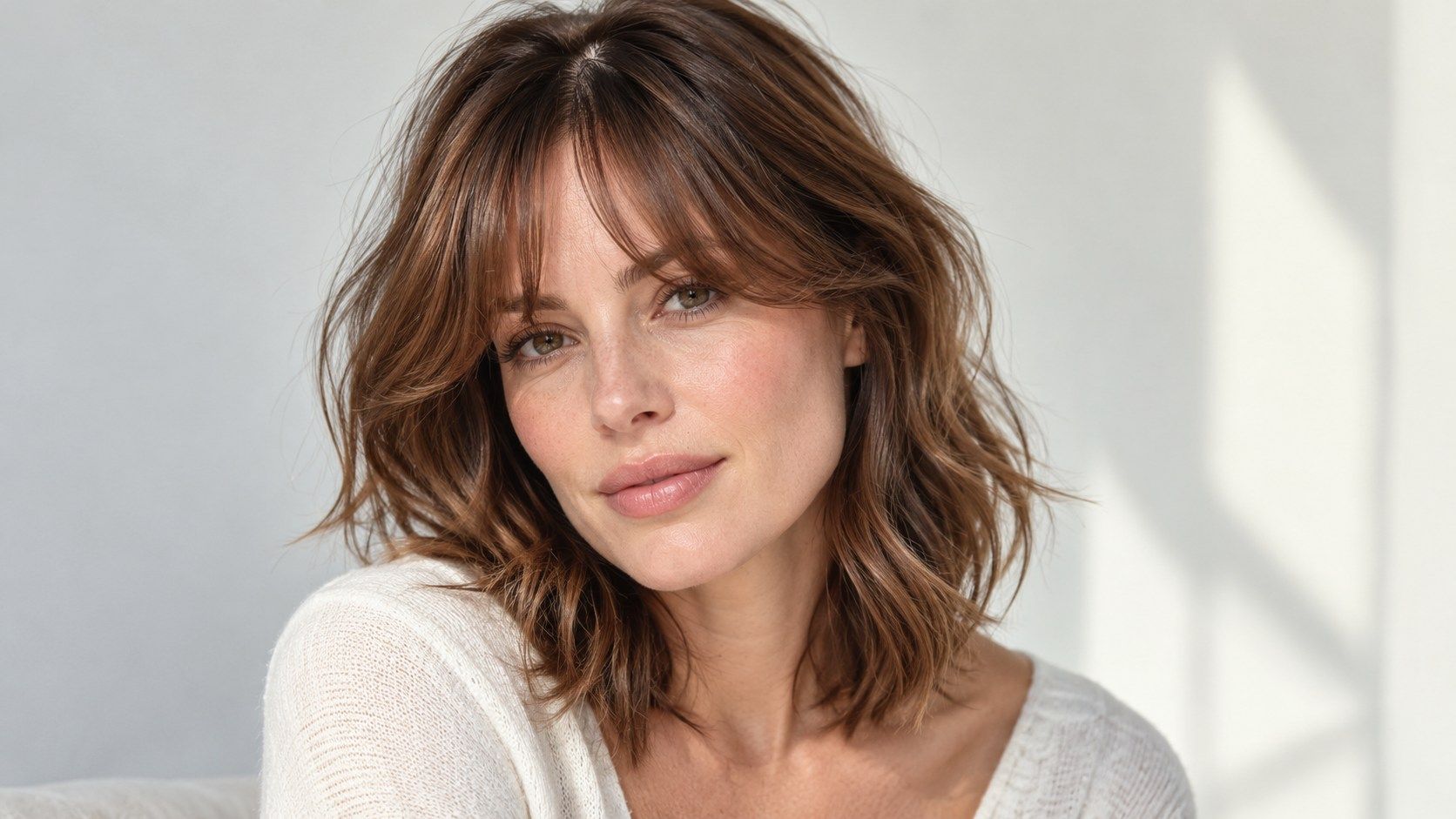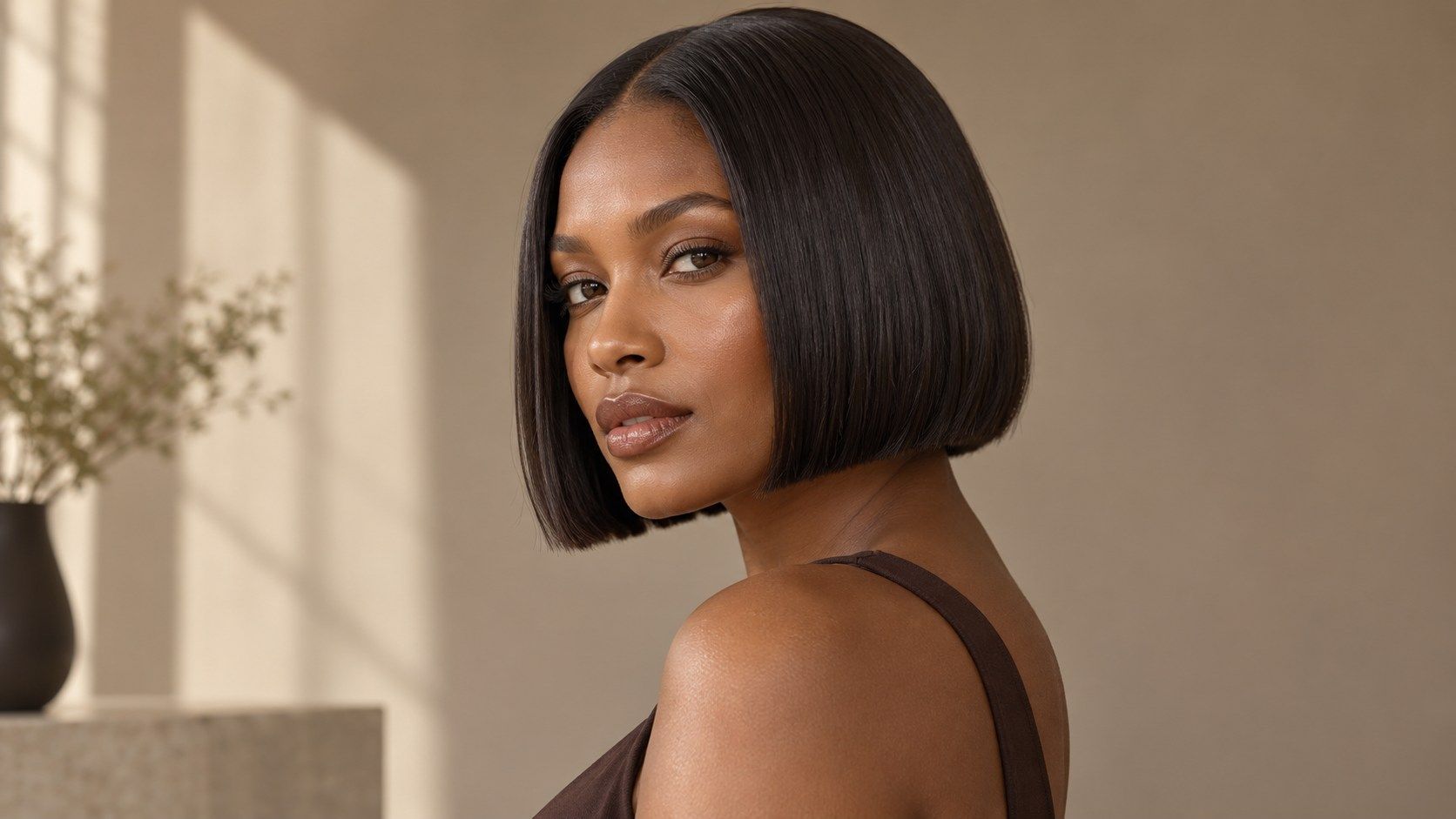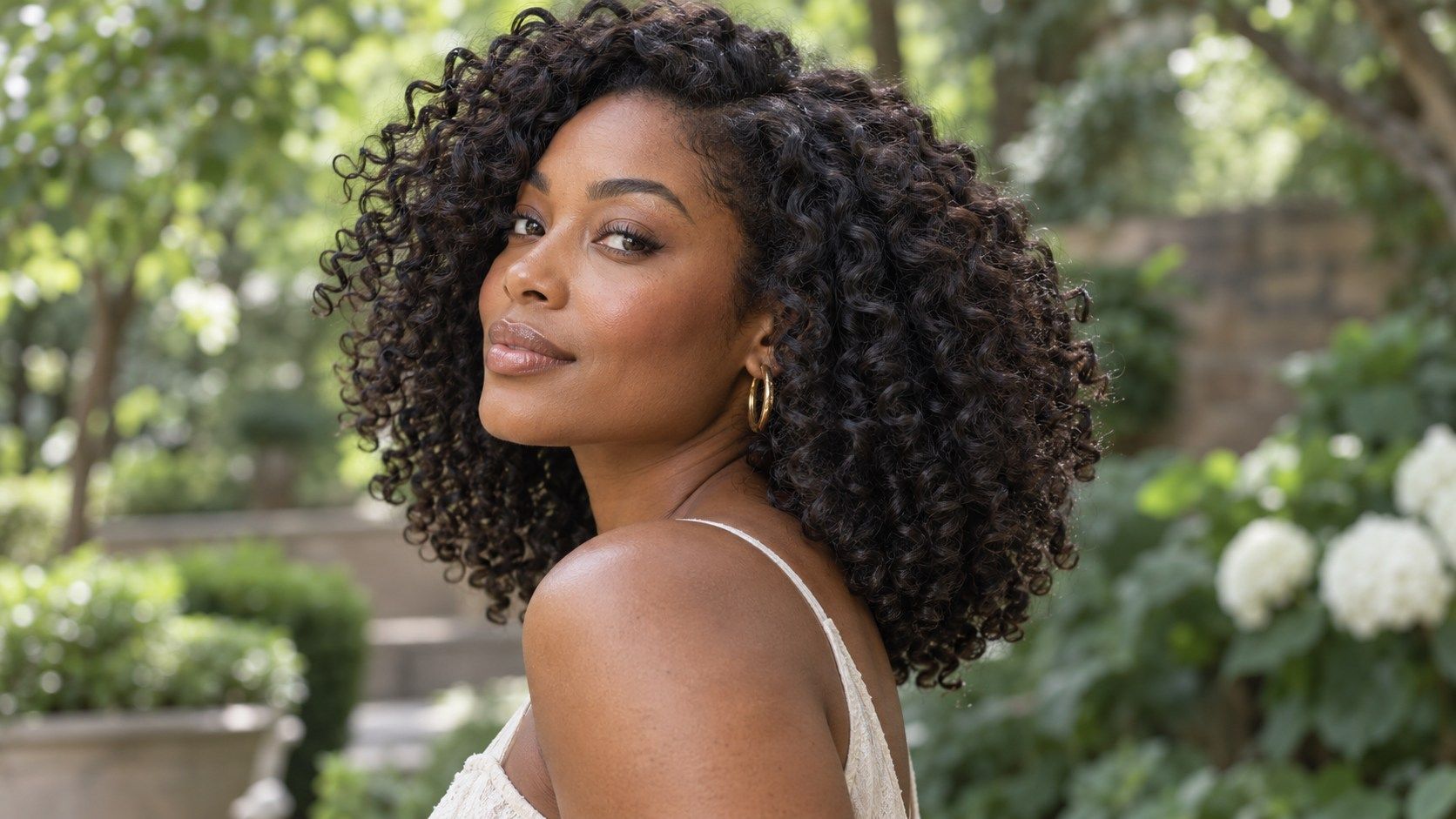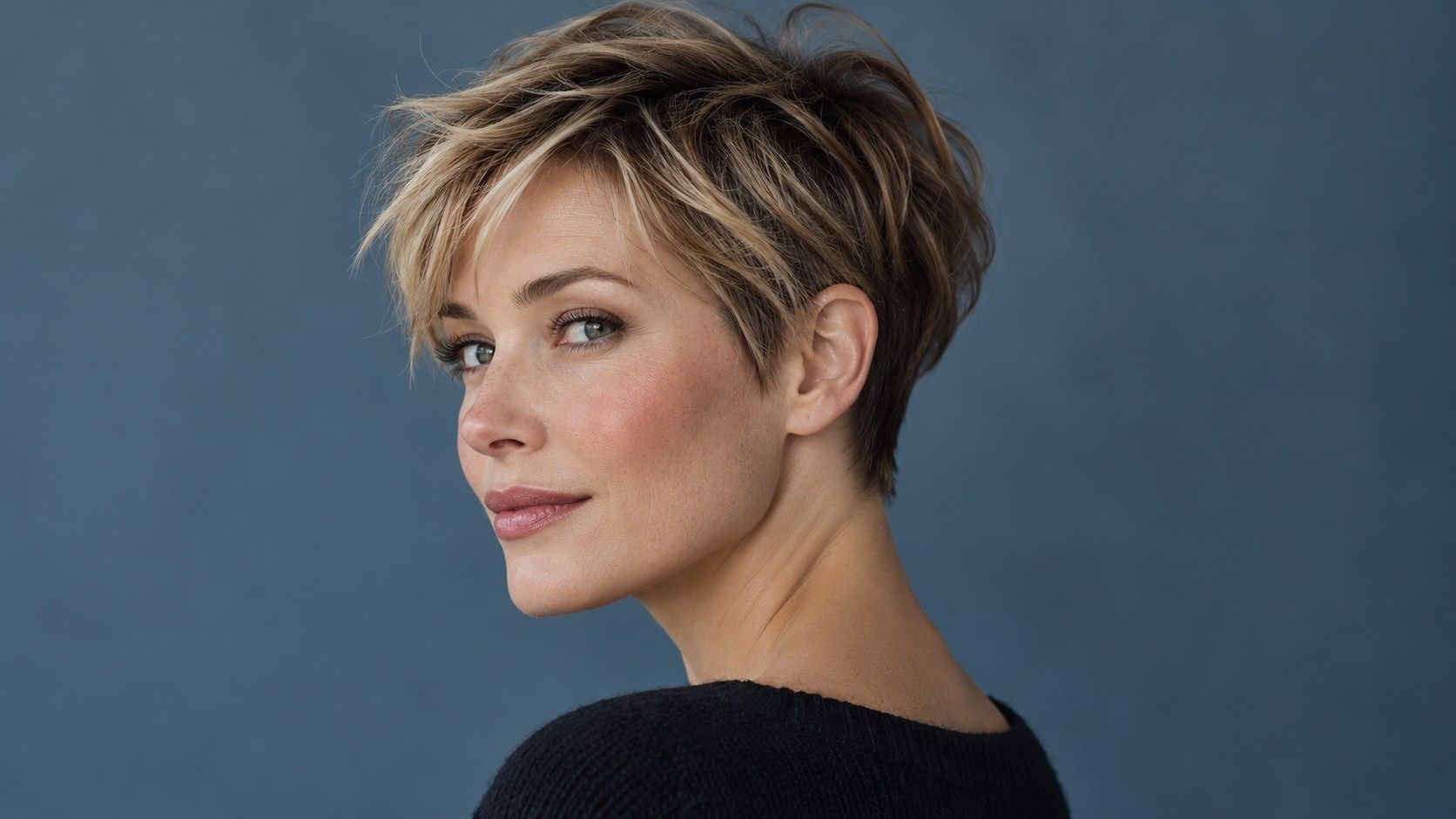
Choosing a haircut is easier when you can compare a few clear possibilities before making a change. A photo preview gives you a way to look at shape, length, and framing on your own features, while leaving room for the realities a screen cannot show: texture, growth, styling, and the back of the cut. Use it to sharpen your questions and preferences, not as a prediction of an exact salon result.
Pick the length change you want to test
“Short” covers a broad range, from a collarbone cut to a cropped pixie. Decide what you want to learn before opening a short hair simulator: are you curious about losing the length below your shoulders, exposing your ears, or changing the whole silhouette? Compare one moderate option with one bolder option. That gives you a useful sense of the transition without flooding the screen with presets that differ in several ways.
Use a front-facing photo with the head level and shoulders visible. The neckline helps you judge whether a cut stops at the jaw, sits above the ear, or leaves the neck open. If the photo crops off the shoulders, a style can seem more dramatic than it is. Keep the lighting and crop unchanged when trying alternatives so the shape, rather than the photograph, drives your impression.
Compare ear and nape exposure
The ear line and nape are practical landmarks. A longer crop may skim the ear, while a pixie preview can expose it and bring more attention to the side of the head. A front-only overlay may not show how much hair sits behind the ear, so inspect the edges cautiously. Ask yourself whether you like the visible outline and whether you are comfortable with a more open neckline. These details often matter more day to day than a style name.
The nape can be shaped close, left soft, or kept longer, and a simulator may not distinguish those choices clearly. If the back matters to you, bring a reference that shows the profile and nape, then ask how the cut would be adapted to your hairline. Cowlicks and growth direction can affect whether a short back lies flat. A preview cannot establish that from one still photo.
Look at crown volume
Short hair draws attention to the crown because there is less length to weigh it down. Some cuts build height with layers; others keep a smoother profile. In a short haircut simulator, compare the top and sides separately. Does the crown appear rounded, textured, or close to the head? Does the side profile feel balanced with the front? The overlay may add volume that your hair does not naturally hold, so treat exaggerated height as a design idea to discuss rather than a likely outcome.
Your texture changes the answer. Fine hair may need a different layering approach from dense curls, and a wave can create lift without much styling. If you usually air-dry, try to choose an image that reflects that finish. A polished, heat-styled preview is useful for seeing the outline, but it says little about the amount of work needed to recreate the top on a regular weekday.
Try more than one silhouette
A pixie, a short crop, and a tucked bob can all feel short while framing the face differently. Compare silhouettes with clear differences: one with longer pieces around the face, one with more exposed ears, and one with a softer nape. Avoid changing color and length at the same time unless color is part of your decision. When options are visually distinct, you can identify whether the preference is about the face frame, the crown, or the overall amount of hair.
A useful comparison includes the profile and the sideburn area. If a tool offers only a front view, note what remains uncertain. The hair around the ears can be softened or kept crisp, and those small decisions affect how wearable a cut feels. Save the version that feels most like you, plus one alternative that answers a different question. That is enough to support a consultation without treating the rendered image as a final blueprint.
Ask what the preview leaves out
A short style changes more than length. It can alter how you manage bedhead, how often you want a trim, and whether you rely on clips or a ponytail. The simulator does not show the back, the feel of hair around the ears, or how the cut behaves after washing. Ask about upkeep and the likely shape between appointments. A cropped style may need regular shaping to keep its outline, while a longer short cut can soften as it grows, depending on the design.
Be honest about maintenance. If you prefer low-effort mornings, say so; if styling is enjoyable, include that too. Ask whether the cut can be adjusted in stages or whether the desired silhouette depends on removing significant length at once. A preview can help you prepare questions and compare proportions, but it cannot predict an exact salon result. The final cut should account for your hair density, texture, growth pattern, and the way you want to wear it.
A short cut can feel like a big identity shift because familiar length is part of how you recognize yourself. Give the image time, then look at it alongside a current photo rather than making a decision from a quick first reaction. Notice which details feel promising and which raise a practical question. You may like an exposed ear but want longer pieces at the nape, or prefer a cropped outline with a softer crown. Those are useful refinements, not indecision.
A short cut can feel like a big identity shift because familiar length is part of how you recognize yourself. Give the image time, then look at it alongside a current photo rather than making a decision from a quick first reaction. Notice which details feel promising and which raise a practical question. You may like an exposed ear but want longer pieces at the nape, or prefer a cropped outline with a softer crown. Those are useful refinements, not indecision.
A short cut can feel like a big identity shift because familiar length is part of how you recognize yourself. Give the image time, then look at it alongside a current photo rather than making a decision from a quick first reaction. Notice which details feel promising and which raise a practical question. You may like an exposed ear but want longer pieces at the nape, or prefer a cropped outline with a softer crown. Those are useful refinements, not indecision.